 Hobby Poultry A Chicken in Every Yard
Green Roof Ideas for Your Coop
 Previously I’d talked about seeing the double shed roof in areas that get hot, particularly in the American South and Southwest. The purpose of them is to act in a way that draws heat out between the two layers by using rising heat to pull in cooler air from the lower part as it exits the higher end. This helps keep the heat from the beating sun from entering the building through the roof.
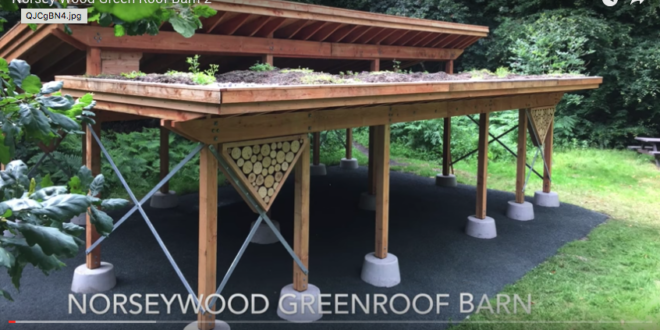
This video shows another interesting way that could reduce temperatures in a coop or shed as well. Dirt is a fairly decent insulator, and any greenery would also act as a way to keep heat from beating down into the coop.
There’s some other cool ideas thrown in too. They have made a place for carpenter bees, plans for bat houses to combat mosquitoes, and a place to stuff nest building materials for songbirds. Use your imagination and see what else you could incorporate into your next coop build to benefit yourself and the surrounding flora and fauna.
What You Actually Need to Build One
A green roof isn’t just piling dirt on top of your coop. Done wrong, it rots the roof deck and eventually caves in. Done right, it’s a straightforward build with a few key layers:
- Waterproof membrane – a rubber (EPDM) liner or heavy-duty pond liner goes directly over the roof deck. This is the layer that actually keeps water out; skipping it or using something flimsy is the number one reason green roofs fail.
- Drainage layer – a layer of gravel, expanded clay pellets, or a purpose-made drainage mat sits above the membrane so water can move off the roof instead of pooling and soaking through.
- Root barrier and growing medium – a barrier keeps roots from working their way down into the membrane, topped with a lightweight growing medium (not regular garden soil, which gets too heavy when wet).
- Low, shallow-rooted plants – sedums and other succulents are the go-to choice because they’re drought tolerant and don’t need deep soil.
Weight Is the Part Most People Underestimate
Saturated soil is heavy. A fully soaked green roof setup can run 15–30 lbs per square foot depending on soil depth, on top of the plants and drainage material themselves. Standard coop roof framing built for asphalt shingles usually isn’t sized for that. Before building one, check that your rafters and roof deck can actually carry the extra load – this is worth confirming before you commit, not after the roof is already loaded down with wet dirt.
Pitch and Drainage Still Matter
Even a green roof needs a slight pitch, generally at least 2 percent, so water has somewhere to go instead of sitting on top of the membrane indefinitely. Standing water is what eventually finds the one weak seam in your waterproofing and works its way through. A small gap or gutter at the low edge to let excess water drain off keeps the whole system working the way it’s supposed to.
As an Amazon Associate we earn from qualifying purchases.


